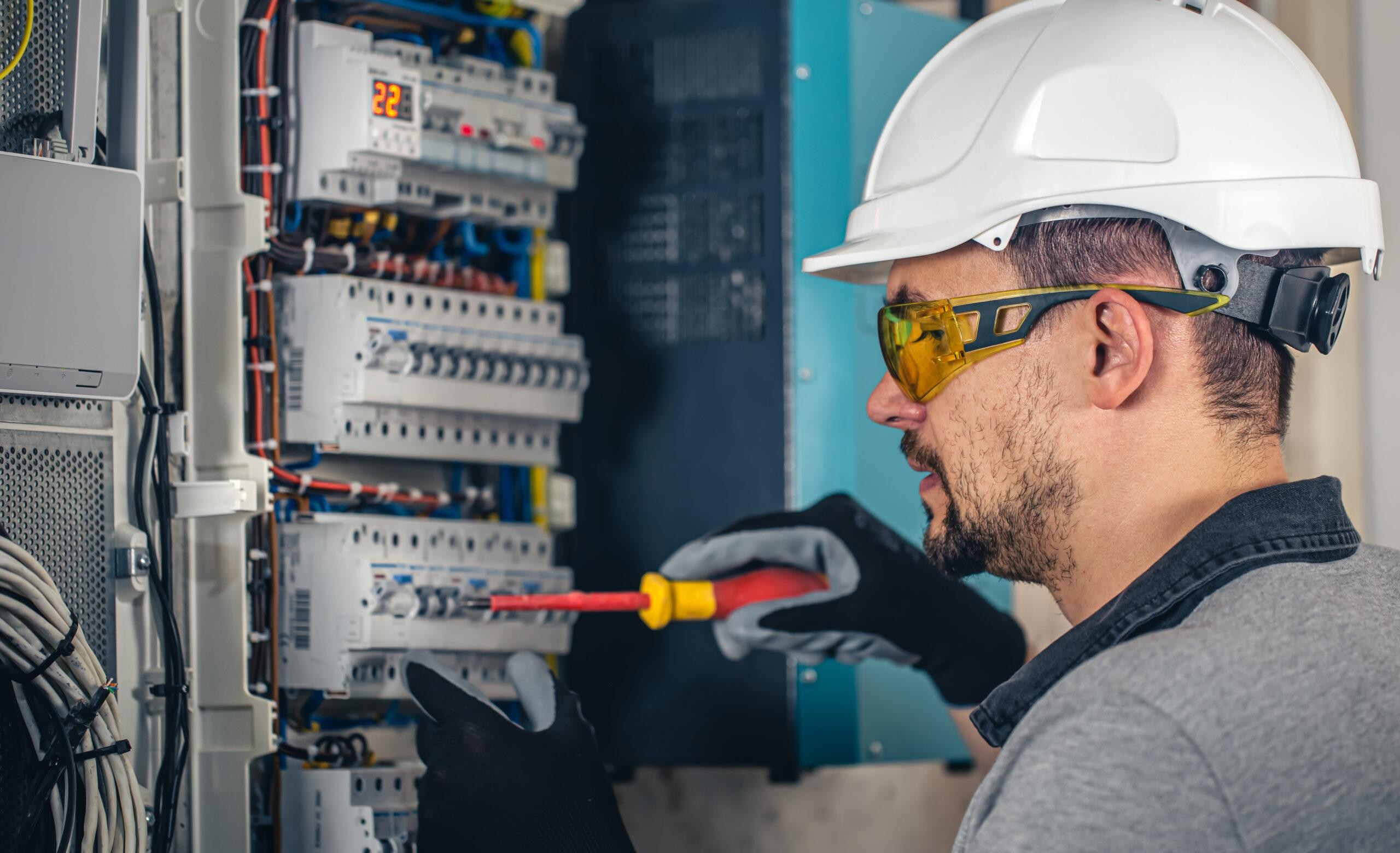
Paying Your Sparkie $50 an Hour? Here's What They Really Cost You
At Business Growth HQ (BGHQ), one of the questions we regularly receive from business owners, particularly those in the building and construction industry, is:
"How much should I be charging my customers for my employees' time?"
We often find that business owners know exactly what they're paying their employees, but haven't fully considered the additional costs of employing them or how many hours they can actually charge customers for.
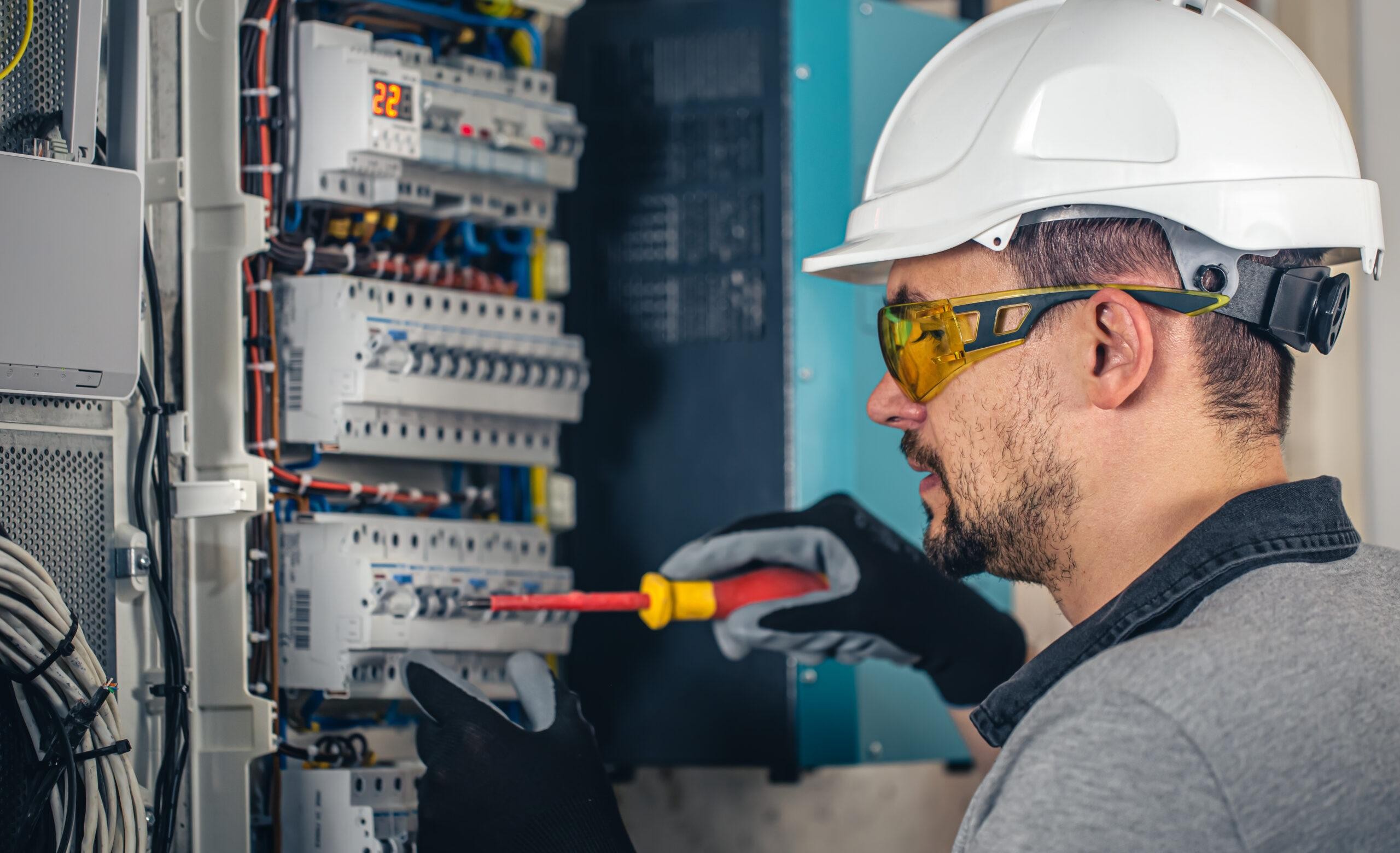
So we thought we'd put together a practical example using an electrician earning $50 per hour to show what that employee really costs and how to calculate a sustainable charge-out rate.
You might pay your electrician $50 an hour, but once you factor in superannuation, workers compensation, tools, vehicles, paid leave and downtime, the real cost can be considerably higher.
Let's break down the numbers.
What Does Your $50-an-Hour Sparkie Really Cost?
Let's assume your electrician works 38 hours per week, earning $50 per hour plus superannuation.
Here's what the annual employment cost could look like:
Wages: $98,800
Superannuation (12%): $11,856
Workers compensation (assumed 6%): $5,928
Tools, uniforms and PPE: $2,000
Vehicle and running costs: $10,000
TOTAL ANNUAL COST: $128,584
That's approximately $65 per paid hour, not $50.
And here's the catch: not every hour you pay for is an hour you can charge to your customers.
Why Your $50-an-Hour Sparkie Can Cost Nearly $100 Per Billable Hour
Your electrician may be paid for 1,976 hours per year (38 hours × 52 weeks), but you cannot charge customers for every one of those hours.
Let's make some reasonable assumptions:
Annual leave: 20 days
Public holidays: 10 days
Sick leave actually taken: 8 days
Training and other downtime: 5 days
This leaves approximately 217 productive working days, or 1,649 hours per year.
But even during productive hours, your electrician may be travelling between jobs, collecting materials, preparing quotes or completing non-billable work.
If only 80% of those productive hours are billable, you're left with approximately 1,319 billable hours per year.
Now divide the total annual employment cost of $128,584 by those 1,319 billable hours.
Your actual cost is approximately $97.50 per billable hour.
That's almost double the $50 hourly wage!
So What Should You Charge Your Customers?
If your electrician costs approximately $97.50 per billable hour, charging customers $100 an hour leaves very little room for profit.
Here's what your charge-out rates could look like:
Break-even (0% gross margin): $97.50 per hour
20% gross margin: $121.88 per hour
30% gross margin: $139.29 per hour
40% gross margin: $162.50 per hour
All rates exclude GST.
These are illustrative rates based on our employment cost assumptions. They don't include every business overhead, such as office rent, administration, marketing, quoting and management costs.
The important lesson? Being busy doesn't necessarily mean you're making money.
Before quoting your next job, make sure you understand your actual employment costs and the margin your business needs to remain profitable.
Are You Charging Enough to Make a Profit?
Whether you're an electrician, plumber, carpenter or builder, understanding your true employment costs is essential to running a profitable business.
At Business Growth HQ (BGHQ), we help small business owners understand their costs, improve pricing, manage tax obligations and build more profitable businesses.
If you're unsure whether your current charge-out rates are covering your costs, it's worth reviewing the numbers before taking on more work.
Book a Tax & Growth Review with BGHQ
Business Growth HQ — Build Your Business & Grow Your Wealth
Important: The figures used in this article are illustrative. Workers compensation premiums vary by industry and employer circumstances. Actual employment costs, productive hours and charge-out rates will depend on your business.

Arrange Your FREE
No-Obligation Meeting
Either phone us on (02) 8824 7848 or complete the form below



Download now and get your
business off to a flying start!